Hoodie vs Sweater: Which Should You Choose?
A practical head-to-head comparison of Hoodie and Sweater, covering quick verdict, key differences, category winners, buyer fit, and FAQ.
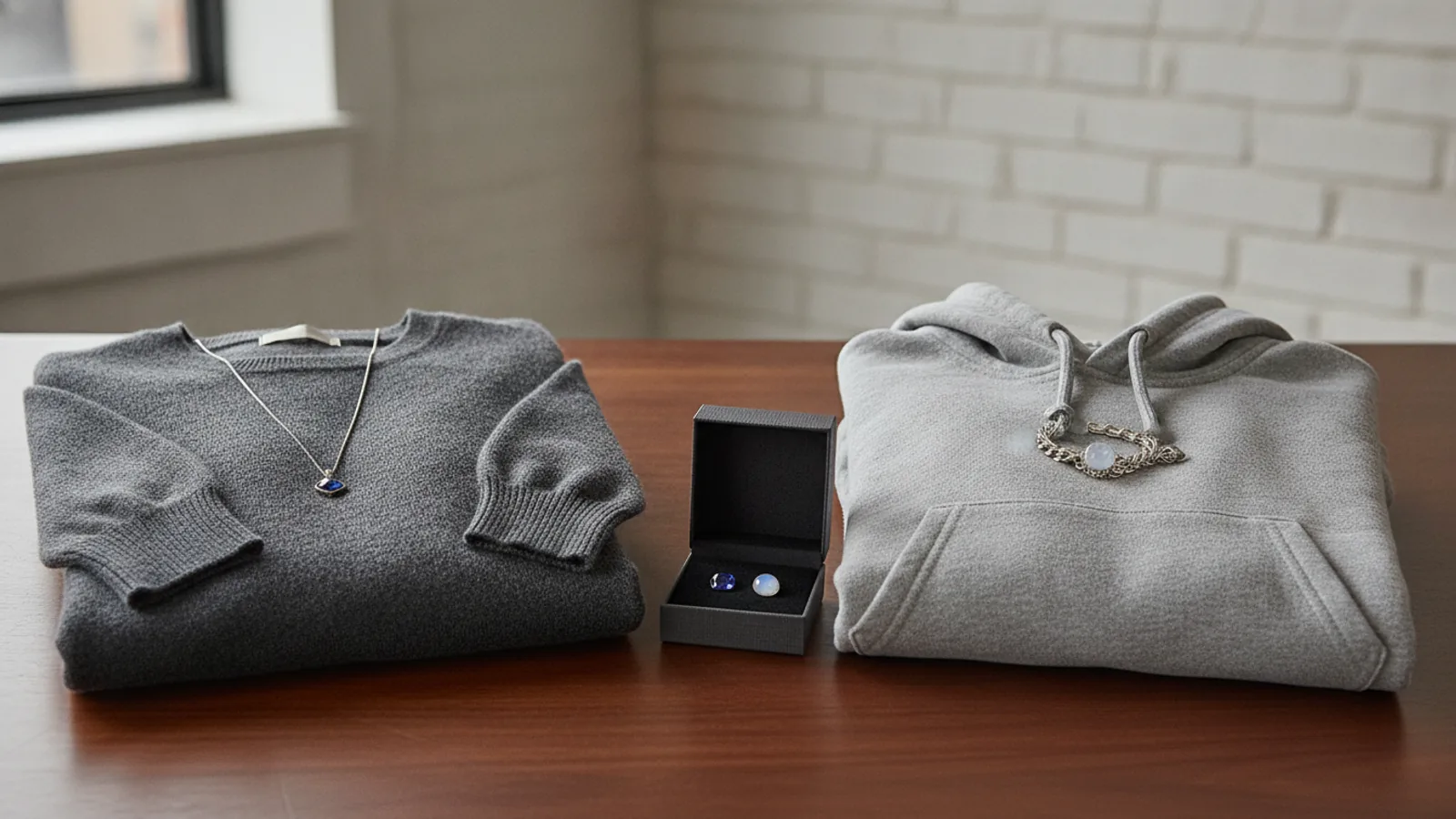
Hoodie vs Sweater: Which Should You Choose?
Head-to-head comparison
Overall winner: Sweater for its enduring versatility and refined material scope.
For those prioritising adaptive style and material integrity that transcends fleeting trends, the classic sweater is the superior choice. However, if your wardrobe leans towards relaxed comfort, practical features, and a distinctly casual aesthetic, the hoodie offers unmatched ease and utility.
Head-to-Head Scorecard
Hoodie vs Sweater: Key Differences
In the landscape of knitted garments, the hoodie and the sweater represent two distinct philosophies of comfort and style. While both are designed to provide warmth and ease, their structural differences lead to vastly different applications and aesthetic outcomes. Understanding these distinctions is crucial for making a considered choice that aligns with your lifestyle and values.
The most immediate and defining characteristic of a hoodie is, naturally, its hood. This integrated feature provides additional warmth and protection from the elements, making it a go-to for casual outings, exercise, and relaxed home wear. Hoodies also commonly feature front pockets, often a single large kangaroo pouch, further enhancing their utility for carrying small items or warming hands. Their construction typically leans towards a relaxed, often oversized fit, and materials are frequently cotton, fleece, or synthetic blends, prioritising softness and stretch.
Conversely, a sweater, in its most traditional sense, is a knitted garment without a hood. It comes in a broader array of necklines – crew neck, V-neck, turtleneck, mock neck – and is generally crafted from a wider spectrum of natural fibres such as wool (merino, lamb's wool, cashmere), cotton, linen, or blends, often chosen for their insulating properties, drape, and texture. Sweaters tend to offer a more tailored or structured fit, enabling them to be dressed up or down with greater versatility. Lacking a hood or large front pocket, their silhouette is typically cleaner, making them ideal for layering under jackets or blazers without bulk.
Beyond these foundational differences, the distinction extends to their cultural perception and appropriate usage. Hoodies are firmly rooted in casual, athletic, and streetwear aesthetics, synonymous with comfort and informality. Sweaters, while equally comfortable, possess a greater capacity for smart-casual and even semi-formal contexts, particularly those made from fine-gauge knits or luxurious fibres. Choosing between them involves weighing practical features against aesthetic versatility and the specific demands of your daily routine.
Measurement Winners for Hoodie vs Sweater
Measurement
Routine Fit
When considering the inherent fit characteristics of these garments, the hoodie typically offers a more universally relaxed and forgiving silhouette. Its design prioritises comfort and freedom of movement, often featuring dropped shoulders and a looser body. This makes it an effortless choice for everyday wear where a casual, unconstrained feel is desired. Sweaters, while available in relaxed styles, also encompass more structured, tailored, or slim-fit options, which might require more consideration for an ideal fit across different body types.
Measurement
Formula or Feature
The defining features of each garment are central to their utility. The hoodie's integrated hood provides crucial protection from wind, light rain, or simply an added layer of warmth for the head and neck. Its common inclusion of a large kangaroo pocket offers practical storage and a convenient place to warm hands. Sweaters, by contrast, are characterised by their diverse necklines and lack of integrated headwear or overt pockets, which contributes to their cleaner aesthetic. While some sweaters may have subtle side pockets, they are not a universal feature.
Measurement
Ease of Use
Both garments excel in their simplicity of wear, typically being pull-on items. However, the hoodie often edges out the sweater in terms of sheer 'throw-on-and-go' convenience, particularly in very casual contexts. Its relaxed nature means it pairs effortlessly with most casual trousers or jeans without much thought about co-ordination. Sweaters, while simple to put on, might require a slightly more deliberate selection of accompanying garments to achieve a desired aesthetic, especially if aiming for a smart-casual look. The hoodie's widespread acceptance in informal settings makes it a default choice for quick changes or layering without fuss.
Measurement
Value
Assessing value requires looking beyond the initial purchase price to consider longevity, versatility, and the quality of materials over time. While hoodies can often be found at a lower price point, especially those made from cotton blends, a high-quality sweater, particularly one crafted from fine wool or cashmere, represents a significant investment in a garment that offers immense long-term value. Such sweaters are highly durable, resistant to pilling when cared for properly, and maintain their shape and aesthetic appeal across a wider range of settings and seasons. Their adaptability means fewer separate items are needed to cover various dress codes, aligning with a more considered, fewer throwaway decisions approach.
Measurement
Buyer Confidence
Buyer confidence often stems from the perceived reliability, timelessness, and quality associations of a product. Sweaters, particularly those from established knitwear brands using natural fibres, tend to evoke a higher degree of confidence. Their classic designs are less susceptible to fleeting fashion trends, assuring buyers that their purchase will remain stylish and relevant for years. The variety in weave, fibre, and finish allows for an informed choice based on specific needs like warmth, texture, or drape, backed by centuries of textile tradition. While many excellent quality hoodies exist, the category broadly includes a wider spectrum of quality, and their trend-driven aspects can sometimes make long-term confidence more variable.
Measurement
Style & Aesthetic Versatility
The ability of a garment to adapt to different occasions and styles is a key consideration for a well-curated wardrobe. Here, the sweater truly shines. A fine-gauge merino wool crew neck can be layered over a shirt for a smart-casual office look, worn with jeans for a relaxed weekend, or even tucked into tailored trousers for an evening out. Its clean lines and absence of a hood or prominent pockets make it inherently more adaptable to a broader spectrum of aesthetics. While hoodies have carved out their own significant niche in casual and streetwear, their inherent informality places limitations on how "dressed up" they can appear. Attempting to integrate a hoodie into a business casual or more formal setting often results in a mismatched aesthetic.
Choose Hoodie If
- You prioritise ultimate comfort and a relaxed fit for everyday wear.
- You need integrated head protection against light weather or for added warmth.
- Your style leans heavily towards casual, athletic, or streetwear aesthetics.
- You value practical features like a large front pocket for hands or small essentials.
- You seek an easy, no-fuss garment for quick changes or layering for warmth without concern for formality.
- Your activities frequently involve outdoor, informal settings or require freedom of movement.
Choose Sweater If
- You are looking for a versatile garment that can be dressed up or down.
- You appreciate a broader range of material options, particularly natural fibres like wool, cashmere, or fine cotton.
- You desire a cleaner, more refined silhouette for layering under jackets or blazers.
- You are building a wardrobe focused on enduring style and classic pieces rather than transient trends.
- You value long-term material integrity and the sophisticated texture of quality knitwear.
- You frequently find yourself in smart-casual environments where a hoodie might be deemed too informal.
Final Verdict: Hoodie vs Sweater
In the perennial debate of hoodie versus sweater, there isn't a single 'best' choice for everyone, but rather a superior option that aligns with specific needs and values. Our analysis, based on product research, official information, public feedback patterns, and editorial insights, firmly places the Sweater as the overall winner for those prioritising versatility, material depth, and enduring style.
A well-chosen sweater, particularly one crafted from quality natural fibres, offers a remarkable breadth of application, seamlessly transitioning from a cosy home staple to a refined layer for social engagements. It embodies a considered approach to dressing – an investment in a garment that holds its value, both aesthetically and materially, over many seasons. This aligns perfectly with the Lolleys ethos of "Jewellery notes for a life with more meaning and fewer throwaway decisions."
However, the hoodie undeniably reigns supreme in the realm of uncomplicated comfort, practical utility, and distinct casual appeal. For moments when ease, warmth, and a laid-back aesthetic are paramount, its integrated hood and functional pockets offer unmatched convenience. Ultimately, both garments hold a valuable place in a thoughtfully constructed wardrobe, but for a piece that truly elevates and adapts, the sweater stands out as the more versatile and long-lasting choice for the discerning individual.
Hoodie vs Sweater: Which Should You Choose? FAQ
What is the main difference between a hoodie and a sweater?
The primary difference is the presence of a hood and usually a front pocket on a hoodie, which are absent on a traditional sweater. Sweaters also typically offer a wider variety of necklines and material compositions, often leaning towards more refined knits and natural fibres.
Which is warmer, a hoodie or a sweater?
Warmth depends more on the material composition and thickness than the garment type itself. A thick wool sweater can be significantly warmer than a thin cotton hoodie, and vice versa. However, a hoodie offers additional warmth around the head and neck due to its hood, which can be advantageous in cold, windy conditions.
Can a hoodie be worn in smart-casual settings?
Generally, hoodies are considered casual wear and are not typically suitable for smart-casual or business-casual environments. While some very minimalist, well-fitting hoodies in premium fabrics might occasionally bridge the gap, a sweater offers far greater versatility and appropriateness for such settings.
Which garment is better for layering?
Sweaters are generally better for layering due to their cleaner silhouette and lack of a hood. They sit more smoothly under jackets, blazers, and coats without adding bulk or an awkward shape around the neck. Hoodies, with their inherent bulk and hood, can be more challenging to layer neatly.
Are sweaters or hoodies more durable?
Durability depends heavily on the quality of materials and construction of the individual garment. High-quality sweaters made from resilient natural fibres like merino wool can be extremely durable and long-lasting. Similarly, well-made hoodies can also offer good durability. It's about investing in quality within either category rather than one being inherently superior.
Which is more environmentally friendly?
The environmental impact of either garment depends on its materials, manufacturing processes, and longevity. Sweaters made from sustainable natural fibres (like organic cotton, recycled wool, or responsibly sourced cashmere) and designed for durability can be a more environmentally conscious choice. Similarly, hoodies made from recycled materials or organic cotton are preferable to those made from virgin synthetic fibres. Focus on material composition, ethical production, and the garment's potential for long-term use.