Leather Boots vs Suede Boots Durability: Which Should You Choose?
A practical head-to-head comparison of Leather Boots and Suede Boots Durability, covering quick verdict, key differences, category winners, buyer fit, and FAQ.
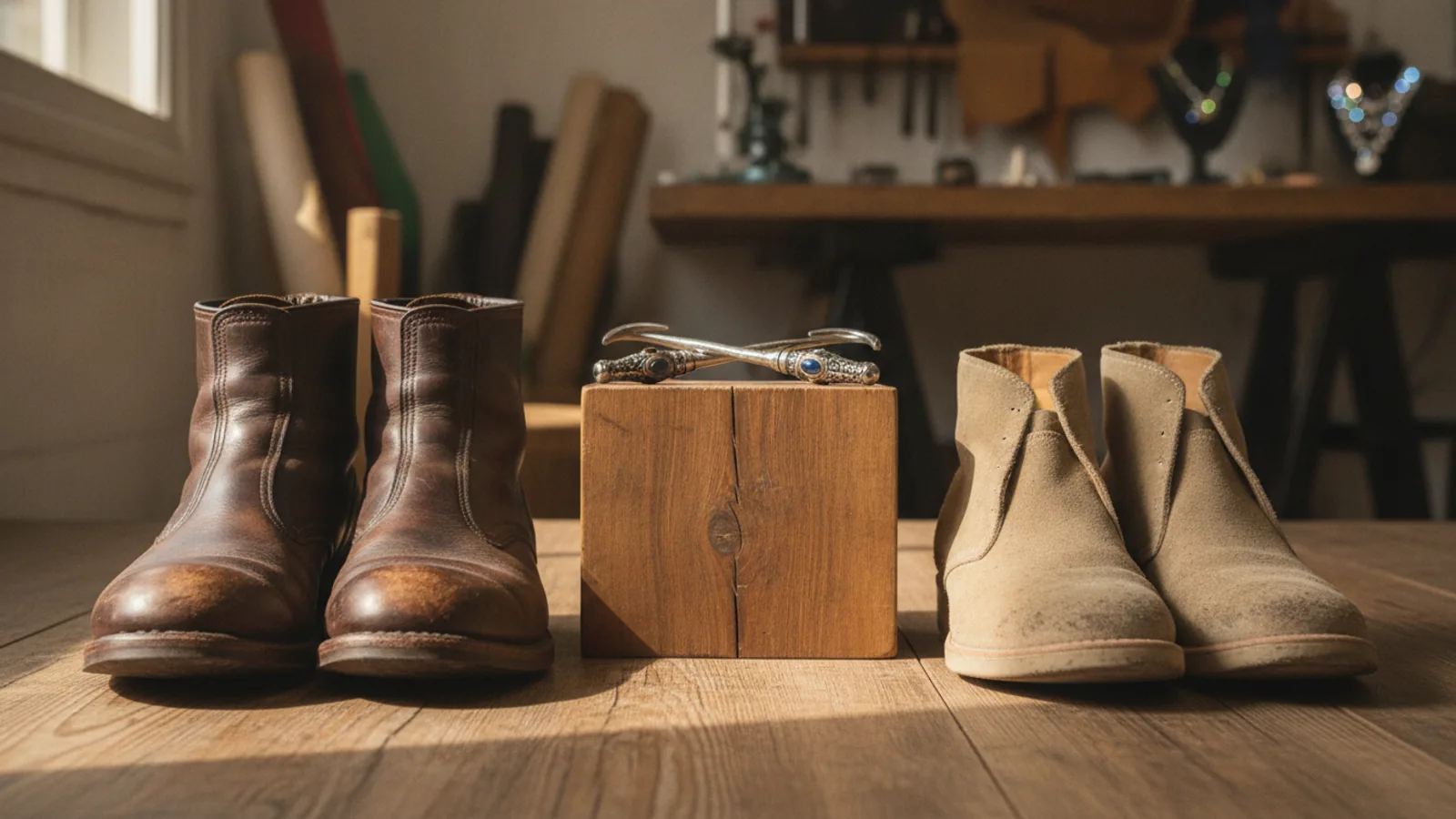
Leather Boots vs Suede Boots Durability: Which Should You Choose?
Head-to-head comparison
Overall winner: Leather Boots for their superior intrinsic strength, water resistance, and long-term resilience to abrasion and impact.
For those prioritising an enduring, robust material that withstands daily wear and varied weather conditions with minimal fuss, leather boots are the clear choice. However, if your lifestyle permits more delicate care and you value a unique texture and breathability, suede boots offer a distinct aesthetic and comfort profile that, while less inherently durable, can last well with dedicated protection and thoughtful use.
Head-to-Head Scorecard
Short Verdict: Leather Boots vs Suede Boots Durability
When assessing leather boots vs suede boots durability, the distinction boils down to the inherent structure and processing of each material. Leather, typically referring to the exterior grain side of animal hide, is dense, smooth, and largely resistant to the elements. Its tightly packed fibres create a formidable barrier against water, scuffs, and tearing, making it an exceptionally durable choice for footwear intended for rigorous use or varied conditions.
Suede, on the other hand, is crafted from the flesh side of the hide, characterised by its soft, napped finish. While aesthetically pleasing and offering a unique tactile experience, this napped texture consists of short, raised fibres that are more vulnerable to abrasion, water damage, and staining. Its open, porous structure makes it less forgiving in adverse weather and demands a more meticulous care regimen to maintain its appearance and structural integrity over time. For maximum durability and longevity in a practical sense, leather boots consistently outperform suede boots.
Leather Boots vs Suede Boots Durability: Key Differences
The fundamental differences between leather and suede, particularly concerning their durability, stem from their origin and processing. Both are animal hides, but the part of the hide used and the subsequent finishing methods drastically alter their characteristics.
Leather (Full-Grain or Top-Grain): This material is derived from the outer layer of the animal hide, which is naturally the toughest and most resilient part. Full-grain leather, in particular, retains the entire grain layer, including all its natural imperfections and dense fibre structure. This means it offers unparalleled strength, breathability, and the ability to develop a beautiful patina over time. Top-grain leather has had the outermost layer lightly sanded or buffed to remove imperfections, making it slightly less durable than full-grain but still exceptionally robust. The tight packing of collagen fibres in these leathers creates a natural barrier against moisture and abrasion.
Suede: Suede is made from the underside of the animal hide, specifically the flesh side, which is then buffed and sanded to create its characteristic soft, velvety nap. Sometimes, split leather (the inner layers of a thicker hide) is used. This process exposes the softer, less densely packed fibres beneath the robust grain layer. While this provides its distinctive aesthetic and soft hand-feel, it also makes suede inherently more porous and susceptible to damage. The open fibres readily absorb water and stains, and the nap itself can be easily flattened, scuffed, or worn away with continuous friction, compromising its appearance and protective qualities.
In essence, the key difference lies in the surface structure: a robust, tightly woven grain for leather versus an exposed, soft, and fibrous nap for suede. This structural disparity directly dictates their respective resilience to environmental factors and everyday wear and tear, positioning leather as the significantly more durable option for boots.
Measurement Winners for Leather Boots vs Suede Boots Durability
Measurement
Water Resistance
Water is often the arch-nemesis of footwear durability, leading to material degradation, staining, and compromised structural integrity. When comparing leather and suede, their responses to moisture are markedly different. Full-grain and top-grain leather possess a naturally dense, oily surface that resists water penetration. With proper conditioning and waterproofing treatments, quality leather boots can become highly water-resistant, allowing droplets to bead up and roll off. This protective quality means the internal structure of the boot, as well as the wearer's feet, remain dry, preventing both immediate discomfort and long-term damage to the material.
Suede, by contrast, is highly porous due to its napped, open-fibre structure. It acts much like a sponge, readily absorbing water, which can lead to immediate and visible damage. Once wet, suede can stiffen, discolour, and even shrink as it dries. Repeated wetting and drying cycles without proper care can cause the fibres to become brittle, leading to cracking and accelerated wear. While protective sprays can offer some initial defence, they provide a temporary barrier rather than an intrinsic resistance, making suede a poor choice for wet conditions. Even minor splashes can leave lasting marks.
Measurement
Abrasion Resistance
Abrasion resistance refers to a material's ability to withstand rubbing, scuffing, and scratching without significant damage. In the context of boots, this is crucial for maintaining both appearance and structural integrity against daily impacts and contact with various surfaces.
Leather, especially full-grain, boasts exceptional abrasion resistance. Its dense network of collagen fibres forms a tough, resilient surface that can endure considerable friction before showing wear. Scuffs on leather often remain superficial and can frequently be buffed out or covered with polish, allowing the material to maintain its structural soundness and aesthetic appeal for a prolonged period. This inherent toughness is why leather is chosen for heavy-duty applications, from work boots to equestrian gear.
Suede, with its delicate, raised nap, is significantly less resistant to abrasion. The soft fibres that give suede its distinctive texture are easily flattened, scuffed, or even worn away by friction. High-contact areas, such as the toes, heels, and sides of suede boots, will quickly show signs of wear, losing their nap and developing shiny patches or bald spots. These areas are difficult, if not impossible, to restore to their original condition, leading to a diminished appearance and structural weakening over time. Even light brushing can alter the nap, highlighting its fragility.
Measurement
Stain Resistance
The ability of a material to resist absorbing foreign substances and retain its clean appearance is a critical aspect of durability, as stains can permanently mar an item's look and sometimes even compromise its fibres. Boots, by their very nature, are exposed to various potential staining agents from daily life.
Leather generally offers superior stain resistance compared to suede. Its less porous, often treated surface forms a barrier against spills. Liquids tend to bead on the surface of leather, allowing for quick wiping before absorption. Even oil-based stains, while more challenging, are often contained on the surface and can be treated with specific cleaners without deeply penetrating the material's core. With regular cleaning and conditioning, leather maintains a protective layer that helps repel dirt and grime, making it easier to keep clean and looking new for longer.
Suede's Achilles' heel is its extreme susceptibility to staining. The open, fibrous nap acts as a magnet for dirt, dust, and liquids, absorbing them rapidly and deeply into the fibres. Water can leave dark spots, mud can embed itself, and oil-based substances can create stubborn, permanent marks that are exceedingly difficult to remove without damaging the nap or texture. Specialised suede cleaners and brushes are necessary, but often, a deep stain will remain visible, irrevocably altering the boot's aesthetic and potentially requiring professional intervention.
Measurement
Care and Maintenance
The long-term durability of any material is heavily influenced by the ease and effectiveness of its required care and maintenance routine. For boots, practical care translates directly into how long they retain their function and aesthetic appeal.
Leather boots are relatively straightforward to maintain, contributing significantly to their long lifespan. Regular cleaning typically involves wiping with a damp cloth, followed by conditioning with a leather cream or balm to keep the material supple and prevent drying and cracking. Polishing can restore shine and offer additional protection. Minor scuffs are often remedied with polish or a specific leather repair product. The robust nature of leather means it responds well to these treatments, restoring its appearance and preserving its structural integrity without undue effort.
Suede boots, while beautiful, demand a much more attentive and specific care regimen. They require regular brushing with a specialised suede brush to lift the nap and remove surface dirt. For deeper cleaning, specific suede erasers or cleaning solutions are needed, which must be applied carefully to avoid saturating the material or disturbing the nap. Protective sprays are essential to create a temporary barrier against water and stains, but these need frequent reapplication. Repairing significant damage, such as deep scuffs or flattened nap, is often challenging, and professional cleaning is frequently recommended to preserve the material's delicate finish. This higher level of ongoing commitment can be a deterrent for many.
Measurement
Structural Integrity & Longevity
Beyond surface resistance, the overall structural integrity of the material and its ability to maintain shape and function over an extended period are paramount to durability. This encompasses how well the material resists stretching, sagging, and tearing.
Leather, especially good quality full-grain or top-grain, excels in structural integrity. Its tightly interlocked fibres provide immense tensile strength and resistance to tearing. Leather boots tend to hold their shape exceptionally well over time, moulding to the wearer's foot without losing their fundamental form. This resilience means leather boots can withstand repeated flexing, bending, and the stresses of walking without developing permanent creases or structural weaknesses, particularly in high-stress areas. With proper care, including resoling and occasional repairs, leather boots can last for decades, often outliving several pairs of less durable footwear.
Suede, while possessing some inherent strength from the underlying hide, is more prone to structural degradation related to its surface. The buffed fibres are less densely packed than the grain side, making suede somewhat more susceptible to stretching or bagging in areas of constant pressure. The delicate nap can wear thin, reducing the material's thickness and protective qualities. While well-constructed suede boots can last a reasonable time with careful use, they typically do not offer the same generational longevity or robust structural performance as their leather counterparts. Damage to the nap or deep staining can also compromise the integrity of the fibres, accelerating overall wear.
Measurement
Aesthetic Durability & Ageing
Durability isn't just about how long an item lasts functionally, but also how well it retains its appealing aesthetic over time. For many, a boot's ability to age gracefully is a key measure of its long-term value and character.
Leather, particularly full-grain, is celebrated for its ability to develop a unique and rich "patina" with age and use. This natural lustre and deepening of colour is not a sign of wear but a highly desirable characteristic, reflecting the journey the boots have taken with their owner. Scuffs and minor imperfections often blend into this evolving patina, adding character rather than detracting from the aesthetic. With regular conditioning and polishing, leather retains a sophisticated and robust appearance, often looking better and more distinguished as the years pass. This graceful ageing makes leather an enduring classic.
Suede's aesthetic durability is more fragile. While new suede boots possess an unmatched soft texture and matte finish, these qualities are highly susceptible to everyday elements. The nap can flatten, become shiny in areas of friction, or develop bald patches. Water and oil stains are often permanent and disfiguring, creating visible marks that detract from the boot's uniform appearance. Colour can also fade or become uneven over time, especially with sun exposure or repeated cleaning. While careful protection can mitigate some of these issues, suede generally struggles to maintain its pristine, uniform appearance, and instead tends to show its age through visible wear and discolouration rather than developing a desirable patina.
Measurement
Repairability and Restoration
The ability to repair and restore footwear plays a significant role in its overall lifespan and sustainability. A boot that can be mended rather than discarded is inherently more durable and a more responsible purchase.
Leather boots are remarkably repairable, making them an excellent investment for long-term use. The robust nature of leather means that common issues like worn soles can be replaced by a cobbler, stitching can be reinforced, and even significant cuts or tears can often be patched or sewn. The material itself can be deeply cleaned, reconditioned, and re-dyed, bringing old, tired leather back to life. This high degree of repairability ensures that a quality pair of leather boots can serve for many years, even decades, with appropriate care and professional intervention.
Suede boots, due to the delicate nature of their nap and porous structure, are more challenging to repair, particularly for aesthetic damage. While structural elements like soles can be replaced, restoring damaged suede uppers is often difficult. Flattened naps can be brushed up, but bald spots or deeply ingrained scuffs are nearly impossible to make invisible. Stains, as previously noted, often penetrate deeply and can be difficult to remove without altering the texture or colour of the surrounding material. While some minor surface restoration is possible, suede typically does not lend itself to comprehensive aesthetic repair or rejuvenation in the same way leather does, often leading to earlier retirement of the footwear once significant damage occurs.
Choose Leather Boots If
- You prioritising maximum durability and longevity: Leather's inherent strength, resistance to abrasion, and ability to withstand tough conditions make it ideal for footwear you expect to last for years, even decades.
- You need all-weather performance: If you anticipate wearing your boots in rain, snow, or muddy conditions, leather—especially when treated—offers superior water resistance and protection for your feet.
- You prefer minimal, straightforward maintenance: Leather care is generally less fussy, involving regular cleaning, conditioning, and occasional polishing, rather than the delicate brushing and specific stain treatments required for suede.
- You value an item that ages gracefully: Leather develops a unique patina over time, which many consider a desirable enhancement to its appearance, reflecting its journey with you.
- You desire a versatile and robust aesthetic: Leather boots offer a classic, timeless look that transitions well from casual to semi-formal settings and stands up to the rigours of daily wear without showing immediate signs of distress.
- You are making a long-term investment: Given their repairability and exceptional lifespan, high-quality leather boots represent a sound investment that often provides better value per wear over time.
Choose Suede Boots If
- You prioritise a soft, luxurious texture and unique aesthetic: Suede's velvety finish is distinct and adds a touch of refined casual elegance that smooth leather cannot replicate.
- You live in a dry climate or primarily wear boots indoors: Suede performs best when kept away from moisture and heavy dirt, making it suitable for drier environments or less demanding wear.
- You are committed to meticulous care: If you are willing to regularly treat your boots with protective sprays, brush the nap, and clean them diligently after each wear, suede can maintain its appearance longer.
- You value breathability in certain conditions: Suede can sometimes offer a slightly more breathable experience than very thick, treated leather, making it comfortable in moderate temperatures.
- Your lifestyle does not involve harsh conditions or heavy wear: For occasions that call for a stylish, lighter-duty boot, where heavy abrasion or exposure to the elements is unlikely, suede can be a beautiful and comfortable choice.
- You appreciate a lighter-weight option: Often, suede boots can be marginally lighter than their leather counterparts, which might be a preference for some users.
Final Verdict: Leather Boots vs Suede Boots Durability
In the perennial debate of leather boots vs suede boots durability, the scales decisively tip towards leather. Our detailed analysis confirms that leather, especially in its full-grain or top-grain forms, possesses an intrinsic material strength, water resistance, abrasion resistance, and ease of maintenance that far surpasses suede. It is the pragmatic choice for anyone seeking a boot that can withstand the demands of daily life, diverse weather conditions, and promise a significantly longer lifespan.
However, this is not to say suede lacks merit. Suede offers an undeniable aesthetic appeal, a soft texture, and a unique look that resonates with those who prioritise style and comfort for specific, less demanding situations. Its durability, while lower, can be extended through rigorous protection and careful usage, making it a viable option for conscious consumers who appreciate its distinctive qualities and are prepared for the commitment to its care.
Ultimately, your choice should align with your lifestyle, the conditions you expect to encounter, and your willingness to invest in maintenance. For a truly robust, long-lasting, and versatile boot that delivers exceptional value over time, leather remains the superior material. For a specialised, aesthetically driven choice that you are prepared to pamper, suede can offer a rewarding, albeit more delicate, experience. As experts in materials and meaningful ownership, we advocate for the choice that aligns with a life of fewer throwaway decisions; in this comparison, leather generally offers that enduring promise.
Leather Boots vs Suede Boots Durability: Which Should You Choose? FAQ
Are leather boots waterproof?
High-quality leather boots, particularly those made from full-grain leather, offer excellent natural water resistance. While not entirely waterproof on their own (unless specifically treated or constructed with waterproof membranes), they can be made highly water-repellent with regular conditioning, waxing, and waterproofing sprays. Their dense structure prevents water absorption much more effectively than suede.
How do I protect suede boots from damage?
To protect suede boots, it's crucial to apply a high-quality water and stain repellent spray before the first wear and reapply it regularly. Avoid wearing them in wet weather, heavy rain, or muddy conditions. Use a specialized suede brush to remove dirt and restore the nap after each wear, and treat any stains immediately with a suede eraser or cleaner. Store them away from direct sunlight and heat.
Can I wear suede boots in winter?
Wearing suede boots in winter is generally not recommended in regions with snow, slush, or frequent rain, as moisture and salt can cause irreversible damage and staining. If worn in winter, they should be reserved for dry, crisp days and heavily pre-treated with a protective spray. For true winter conditions, insulated and waterproof leather boots are a far more durable and practical choice.
Which type of boot is a better long-term investment?
Leather boots are generally a better long-term investment when considering durability and lifespan. Their robust nature, ease of maintenance, and high repairability mean they can last for many years, even decades, often developing a desirable patina that enhances their character. Suede, while beautiful, typically has a shorter aesthetic and functional lifespan due to its vulnerability to wear and stains, requiring more frequent replacement or intensive professional care.
Does one material breathe better than the other?
Both genuine leather and suede are natural materials that offer some degree of breathability. However, the exact breathability can vary greatly depending on the type of leather, its finish, and the boot's construction. Generally, good quality, unlined leather allows for excellent airflow. Suede, with its open-fibre structure, can also be quite breathable, sometimes even more so than heavily finished or treated leathers, but this comes at the cost of its protective qualities.
Are synthetic leathers or suedes more durable?
The durability of synthetic leathers and suedes (often made from polyurethane or PVC) varies significantly by quality. Some high-end synthetics are engineered for specific durability traits, like extreme abrasion resistance or waterproofing, often surpassing lower-grade natural materials. However, they typically lack the breathability and ability to develop a patina that real leather offers, and their repairability can be limited. While they might be more durable in specific aspects, they rarely replicate the overall longevity and comfort of premium natural leather.